

Blog
How Music Therapy Helps Alzheimer’s Patients

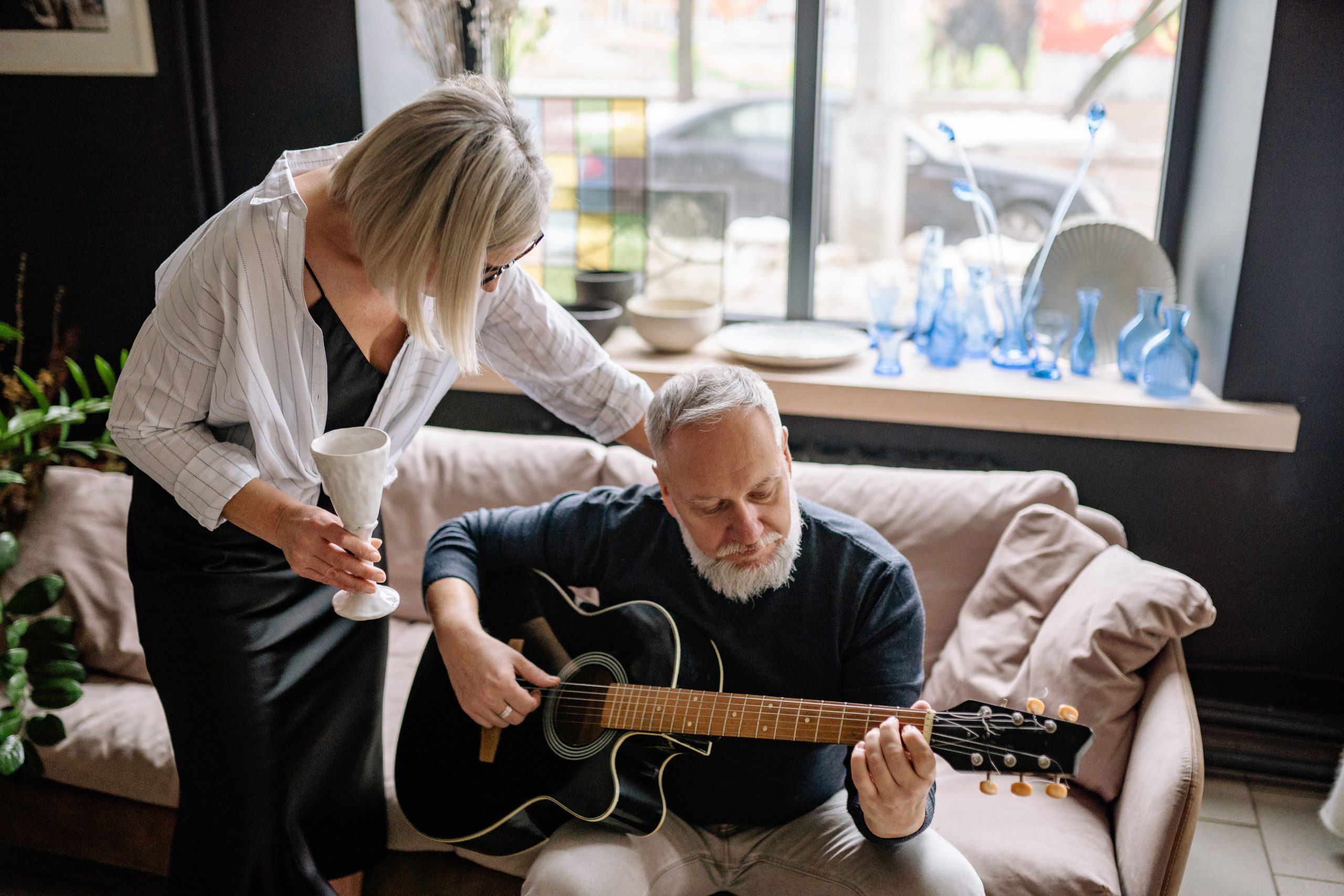
Music has a way of reaching places that ordinary conversation cannot always reach. A person living with Alzheimer’s may struggle to remember names, dates, or recent events, yet still hum along to a song from childhood. They may become quiet during conversation but brighten when familiar music begins. They may not be able to explain what they feel, but their face, hands, and posture may soften when a meaningful melody plays. This is why many families want to understand how music therapy helps Alzheimer’s patients. Music is not a cure for Alzheimer’s disease, and it cannot stop the progression of dementia. Still, it can support emotional connection, reduce distress, encourage engagement, and create moments of recognition and comfort. For caregivers, those moments can feel deeply meaningful. Music therapy can be provided by trained professionals, but families can also use music thoughtfully at home as part of daily care. The key is to choose music that fits the person, the moment, and the goal.
Music Can Trigger Emotional Memory
Alzheimer’s disease affects memory, but not all forms of memory are affected in the same way or at the same pace. Music connected to earlier life can sometimes remain meaningful even when recent memory is weak. A wedding song, church hymn, childhood tune, cultural song, military march, or favorite record from young adulthood may bring visible emotional response. This does not always mean the person fully remembers the event connected to the song. They may not say, “This played at our wedding.” But they may smile, relax, sing a line, tap their fingers, or look more alert. The emotional imprint of the music may still be there. When thinking about how music therapy helps Alzheimer’s patients, this emotional access is one of the most powerful benefits. Music can create connection without requiring perfect recall.
Music Can Reduce Anxiety and Agitation
Many people with Alzheimer’s experience anxiety, restlessness, or agitation, especially during transitions, personal care, or unfamiliar situations. Music can help create a calmer atmosphere. Slow, familiar, gentle music may reduce tension during bathing, dressing, mealtimes, or evening routines. The choice of music matters. A song that relaxes one person may irritate another. Loud volume, too many competing sounds, or unfamiliar music can increase confusion. Start softly. Watch your loved one’s body language. If they seem calmer, continue. If they frown, pull away, become restless, or cover their ears, stop or try something different. Music works best when it supports the person’s mood rater than overpowering it.
Music Encourages Movement
Rhythm naturally invites movement. Even when speech becomes difficult, a person may clap, sway, tap, or move their feet to a beat. This can be helpful for gentle activity, especially when mobility is limited or motivation is low. A familiar upbeat song may encourage walking, stretching, chair movement, or simple dancing. Movement can support mood, circulation, flexibility, and a sense of participation. It can also create joyful moments between caregivers and loved ones. Keep movement safe and simple. Clear the space, avoid slippery floors, and match the activity to the person’s ability. The goal is not performance. The goal is engagement.
Music Can Support Daily Routines
Routines are important in dementia care because they reduce uncertainty. Music can become part of those routines. A calm morning playlist can signal the start of the day. A favorite song during grooming may make personal care feel less clinical. Soft evening music can help the body and mind settle before bed. This is one practical way families can use music at home. Instead of treating music as a separate activity, weave it into moments that are already happening. Over time, the music may become a cue. It can help your loved one understand what comes next without needing long explanations. For example, the same gentle playlist before dinner may help signal mealtime. A familiar hymn before bed may support comfort and spiritual connection. A cheerful song during laundry folding may make a task feel purposeful.
Music Creates Shared Connection
Dementia can make conversation harder. Questions may frustrate your loved one. Long explanations may not be understood. Silence may grow between family members who once talked easily. Music offers another way to be together. You can sit beside your loved one and listen. You can sing softly. You can look through old records or playlists. You can ask simple, low-pressure questions such as, “Do you like this song?” or “Should we play another?” If they do not answer, the shared experience can still matter. Music can also help children and grandchildren connect with a loved one who has Alzheimer’s. A child may feel unsure what to say, but singing, clapping, or listening together can feel less intimidating.
Personalized Music Works Best
Not every person with Alzheimer’s will respond to the same music. Personalized choices are usually more effective than random playlists. Think about your loved one’s background, culture, faith, language, age, favorite artists, important life events, and personality. Ask family members for suggestions. Look at old CDs, records, church programs, concert tickets, wedding videos, or family memories. Build a playlist that reflects your loved one’s life. Include calming songs, joyful songs, spiritual songs if meaningful, and music associated with positive memories. Be careful with songs tied to painful memories. Music can stir grief as well as joy. If a song makes your loved one cry, that does not always mean it is harmful, but watch closely. If they seem comforted, stay with them. If they seem distressed, change the music and offer reassurance.
Conclusion
A Husband’s Memoir: A Journey through Alzheimer’s includes one of the clearest examples of music’s emotional power. Lynn Wenger writes that Wendy could no longer read music in choir, yet she still remembered words and notes to songs from earlier decades. Later, during long car rides, music from the 1970s helped calm her, and he writes plainly, “Music soothes the soul.” This is exactly why families ask how music therapy helps Alzheimer’s patients. Music can offer comfort when words become harder. It can bring movement, calm, memory, and connection into moments that might otherwise feel confusing. It does not cure the disease, but it can help families hold onto pieces of joy, identity, and togetherness along the way.