

Blog
How to Talk to Children About Alzheimer’s

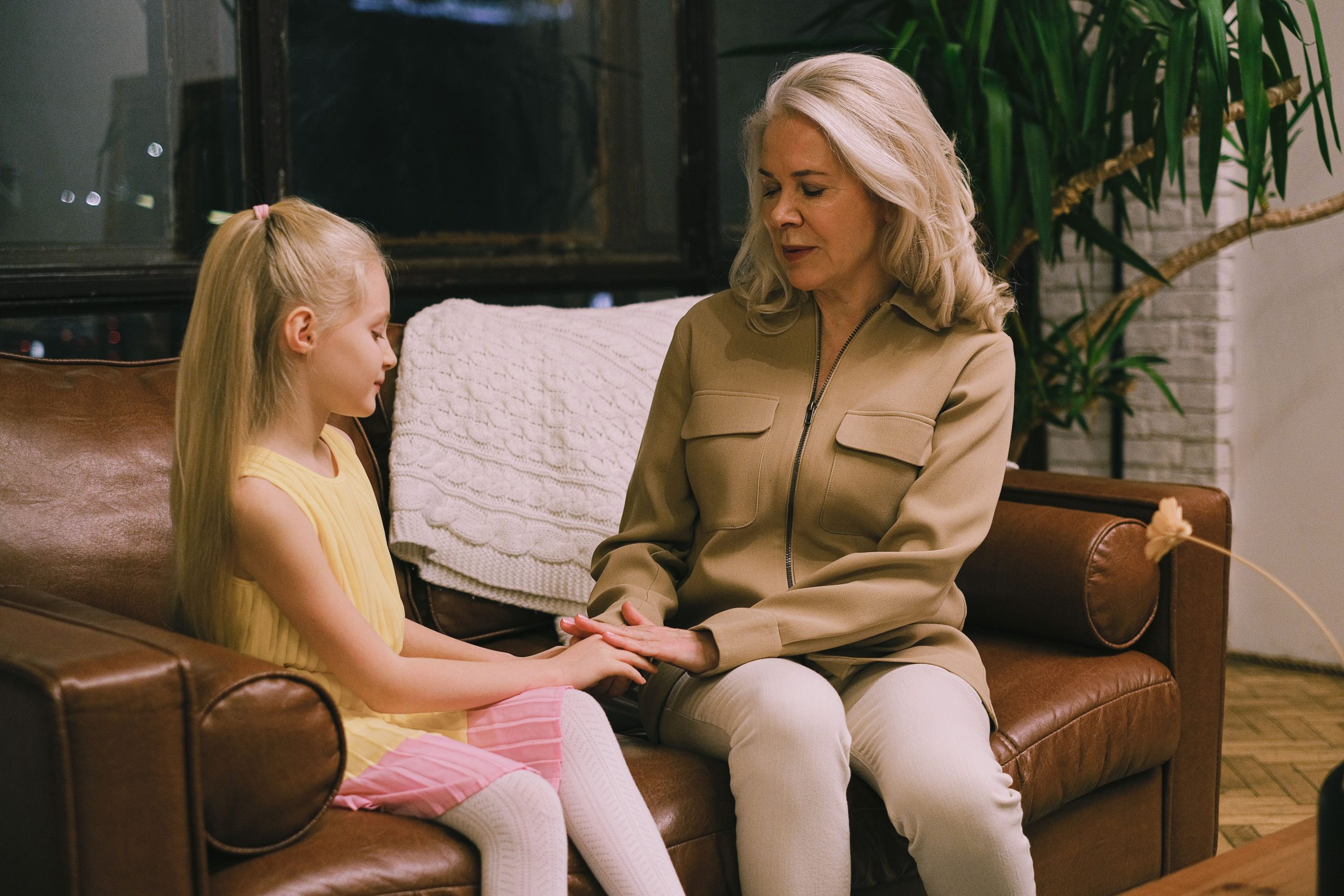
When someone in the family has Alzheimer’s disease, children often notice more than adults realize. They may see a grandparent repeating questions, forgetting names, acting differently, becoming upset, or needing more help than before. They may hear worried conversations between adults. They may sense tension in the home, even if no one explains what is happening. Learning how to talk to children about Alzheimer’s can help reduce fear and confusion. Children do not need every medical detail, but they do need honest, age-appropriate explanations. Silence can make the situation feel scarier. A child may imagine something worse, blame themselves, or think the person no longer loves them. The conversation may feel difficult, but it can also become a way to teach compassion, patience, and family connection.
Start With Simple Honesty
Children need clear language. Avoid vague explanations like “Grandma is just getting older” or “Grandpa is not himself.” These statements may confuse children or make them afraid of normal aging. Instead, explain that Alzheimer’s is an illness that affects the brain. For a young child, you might say, “Grandma has an illness in her brain that makes it hard for her to remember things. She may ask the same question again, but she still loves you.” For an older child, you can add more detail: “Alzheimer’s affects memory, thinking, and behavior. It can make people confused or upset, and it usually changes over time.” The goal is to be truthful without overwhelming them.
Reassure Them It Is Not Their Fault
Children may quietly blame themselves for things adults would never imagine. If a loved one becomes upset after a visit, a child may think they caused it. If a grandparent forgets their name, they may think they did something wrong. If Alzheimer’s is not explained clearly, children may create their own explanations. Tell them directly: “You did not cause this.” Also reassure them that Alzheimer’s is not contagious. A child may worry they can catch it by hugging, sitting nearby, or sharing food. Simple reassurance can reduce unnecessary fear. You can say, “You cannot catch Alzheimer’s like a cold. It is safe to hug Grandma if she wants a hug.”
Explain Behavior Changes With Compassion
One of the hardest parts of how to talk to children about Alzheimer’s is explaining behavior changes. A loved one may become irritated, suspicious, tearful, withdrawn, or confused. They may say something unkind or fail to recognize the child. Children need to know that these behaviors are part of the illness, not a reflection of love. You might say, “Sometimes Grandpa’s brain gets confused, and he may say things that sound angry. It does not mean he stopped loving you.” This helps children separate the person from the disease. It also gives them a framework for responding with patience rather than fear. Match the Conversation to the Child’s Age Young children need short, concrete explanations. They may not understand long timelines or medical terms. They may ask the same question repeatedly, which is normal. Keep your answers simple and steady. School-age children may want to know what will happen next. They may ask whether the person will get better, whether they will die, or whether their parent can get Alzheimer’s too. Answer honestly but gently. If you do not know something, it is okay to say, “I don’t know, but we will keep learning and taking care of each other.” Teenagers may understand more but may also hide their emotions. They may feel embarrassed, sad, angry, or guilty. Give them space to talk without forcing them to respond in a certain way. They may need facts, privacy, and reassurance that their own life still matters.
Prepare Children Before Visits
If a child is going to visit a loved one with Alzheimer’s, prepare them ahead of time. Explain what they may see or hear. Let them know the person may repeat questions, forget names, or become tired quickly. Tell them what they can do if they feel uncomfortable. You might say, “Grandma may not remember your name today, but she may enjoy sitting with you. We can show her your drawing or listen to music together.” Preparation helps children feel less shocked. It also gives them a role that feels manageable.
Offer Simple Ways to Connect
Children may not know how to interact with someone who has Alzheimer’s. Give them simple activities they can share. They can draw pictures, look at photo albums, sing songs, do puzzles, fold towels, decorate cookies, water plants, or sit together with a favorite blanket. The activity should not depend on perfect memory. Avoid quizzing the person with Alzheimer’s by asking, “Do you remember me?” or “Do you remember when we did this?” Instead, encourage statements that offer connection without pressure. A child can say, “I made this for you,” or “I like sitting with you.” This helps the visit feel warm rather than like a test.
Let Children Have Their Feelings
Children may feel many things: sadness, fear, confusion, embarrassment, boredom, anger, or even resentment. A teenager may feel upset that family life now revolves around caregiving. A younger child may feel scared when a grandparent acts differently. These feelings do not mean they are unkind. Create space for honesty. Say, “It is okay to feel sad or confused. I feel that way sometimes too.” This gives children permission to talk. Avoid forcing children to be cheerful or overly responsible. Compassion is important, but children should not feel they must become emotional caregivers for adults.
Keep Routines as Stable as Possible
Alzheimer’s can change family schedules. Doctor visits, caregiving duties, emergencies, and emotional stress can disrupt daily life. Children benefit from routines that remain predictable. Meals, school, bedtime, activities, and time with friends still matter. If caregiving responsibilities affect the household, explain changes simply. “I need to help Grandpa this afternoon, so Aunt Lisa will take you to practice.” This helps children understand the plan without feeling forgotten.
Conclusion
A Husband’s Memoir: A Journey through Alzheimer’s shows how dementia touches grandchildren as well as spouses and adult children. Lynn Wenger writes about Wendy’s joy with her grandchildren, the way she loved holding and playing with them, and the moment family had to explain to a young grandchild that sometimes Nanny said bad words because she did not feel good. It is a simple detail, but it captures why honest, gentle explanations matter. When families learn how to talk to children about Alzheimer’s, they give children a way to understand what they are seeing. They help them separate the illness from the person they love. They also protect children from
blame, fear, and silence. Alzheimer’s changes family life, but clear words and steady reassurance can help children stay connected with compassion.